The works of the Spaniards I. Albeniz and E. Granados, the Cuban E. Lecuona and the Brazilian H. Villa-Lobos are well known in their versions for piano, guitar and also symphony orchestras. In this case these works have been recorded in F. Lips' transcriptions for bajan. The bewitching miniatures by the Argentine composer A. Piazzolla carry us away into the immortal world of the tango. The tango was originally written for the bandoneon, which can be played as a solo instrument, in an ensemble together with other instruments as well as with an orchestra.
The bandoneon is mainly used in the genre of the tango. Characteristic features of the bandoneon player are improvisation, a feeling for spontaneity along with empathy. Every motif, every intonation is not only simply performed but rather consciously experienced. The unusually exact finger- and bellow-articulation contributes to the picturesque presentation of the tango. It is said that by listening to all tangos of Argentina one can create a picture of the country's history. Whatever happened in this country - even political events - Argentine composers reacted and react with the composition of yet another tango, expressing their feelings and attitudes. Over the last years the art of playing the bandoneon has attracted an increasing number of followers in European countries.
The works of R. Shedrin - one of Russia's most important and prominent contemporary composers - destinguish themselves by their colourful melodies and their humour.
S. Gubaidulina is an important contemporary composer in Russia. She composed numerous works for symphony orchestras, chamber- and vocal music. In the 80ies her work achieved international recognition and fame. The works she composed for the bajan include "De profundis" (1978), Partita for bajan, violoncello and strings, "Seven Words" (1982), "Et exspecto" - sonata in 5 movements (1986) and "Silenzio" for bajan, violin and violoncelo (1992).
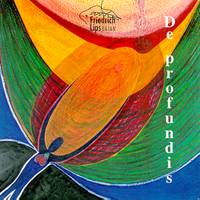
"De profundis" was inspired by the well known religious psalm "From the depths of my despair I call to you, Lord". Not only in each episode but in the entire work one can follow - from the beginning to the end - the yearning of the musical score. As it often occurs in the work of Gubaidulina, the clean-cut chorale is contrasted by full-sounding cluster-harmonies. From the artistic point of view, this piece became a major event, not only in bajan-music.
CD
REVIEW |